
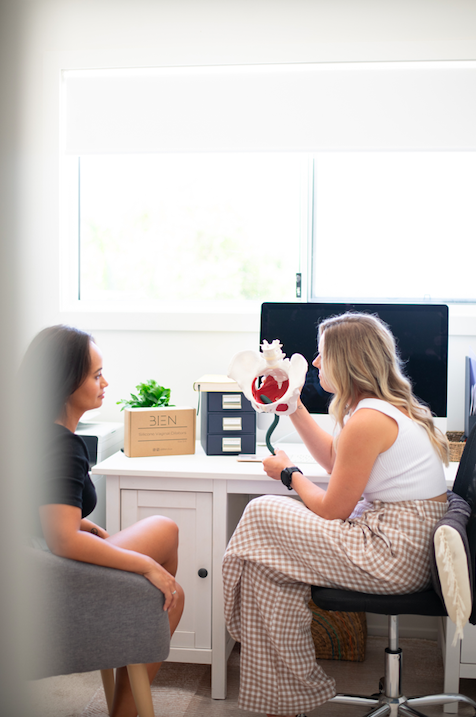
Pelvic Floor Physiotherapy
Pelvic floor dysfunction can result in a range of symptoms such as incontinence, prolpase, constipation and painful intercourse. Dont let your pelvic floor symptoms take control of your like anymore and let our expert pelvic floor physios help guide you in your treatment
Physiotherapy
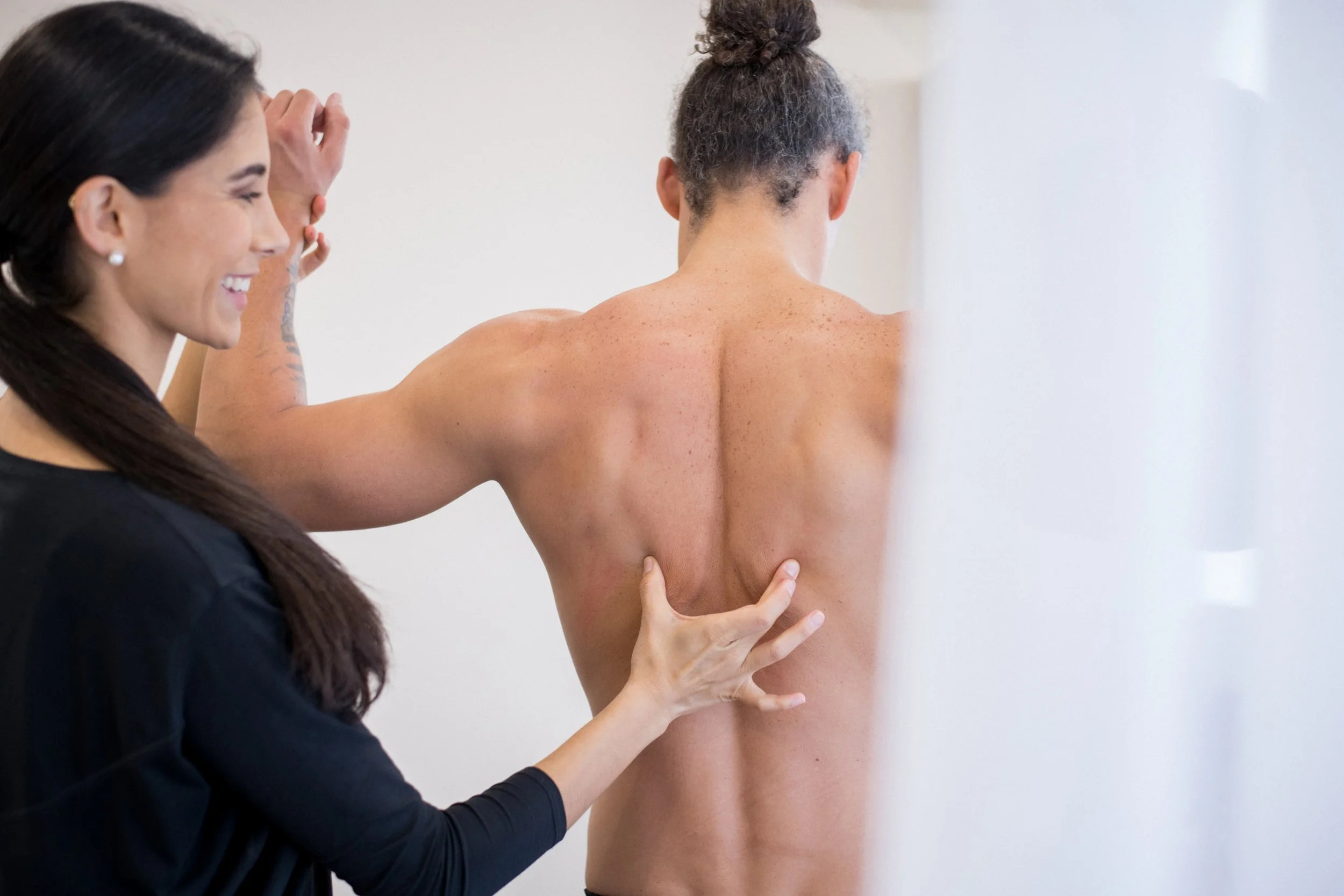
Alleviate pain, recover from injury and support recent surgery with our expert physiotherapy services. Physiotherapists are experts in diagnosis and treating musculoskeletal dysfunction and our team are trained to take a holistic approach to your care.

Pre and Postnatal services
Our team is trained to treat a wide range of conditions during this time ensuring any aches and pains or pelvic floor dysfunction are treated with ease. We offer a range of services including pelvic floor physio, birth preparation, 1:1 pilates and pregnancy massage.
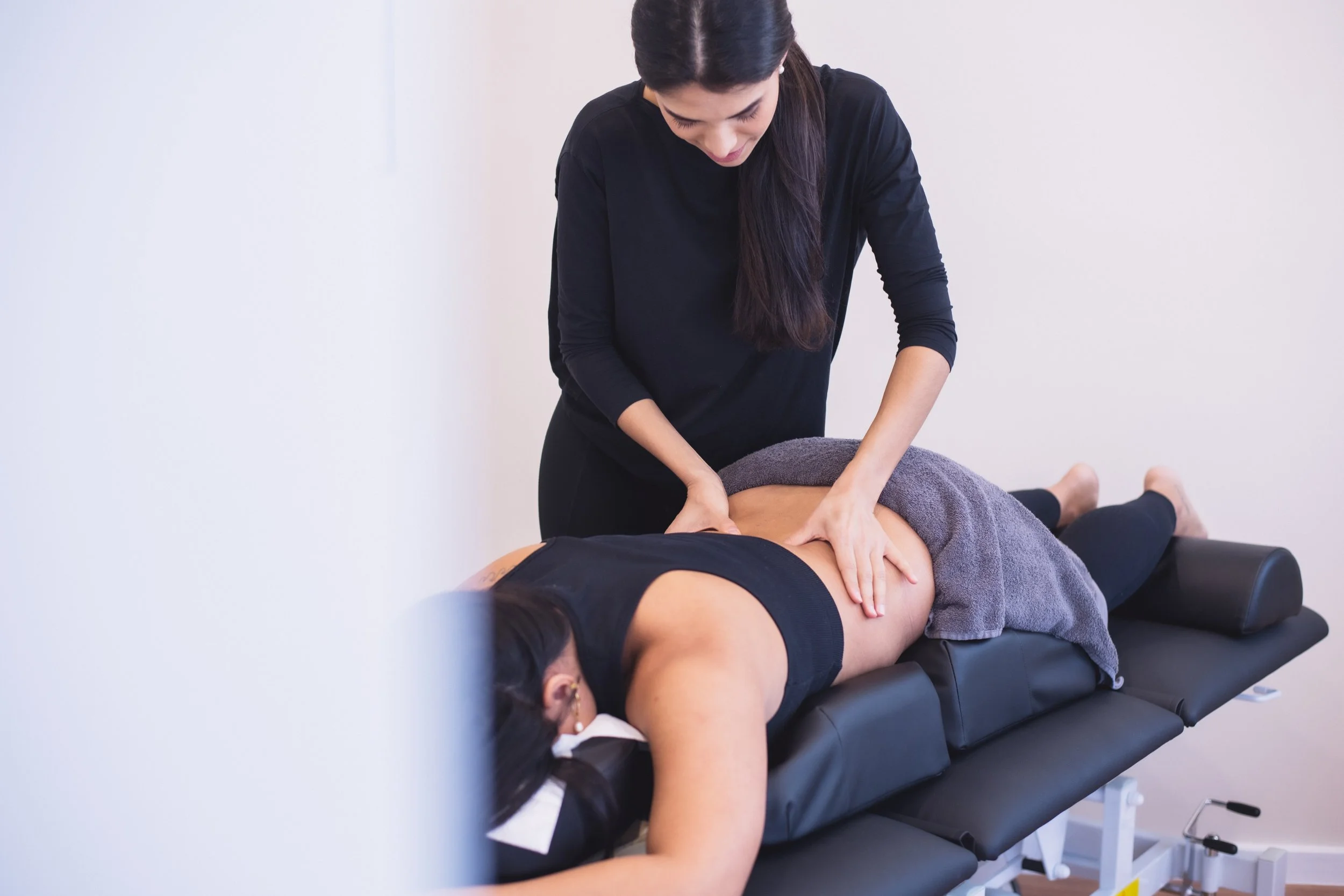
Massage and Dry Needling
Massage is a great adjunct to assist recovery, blood flow and relaxation. Our team are trained in sports massage, pregnancy massage as well as scar tissue and lymphatic drainage. With the addition of dry needling, we can ensure your treatment is well rounded and customised to your needs.
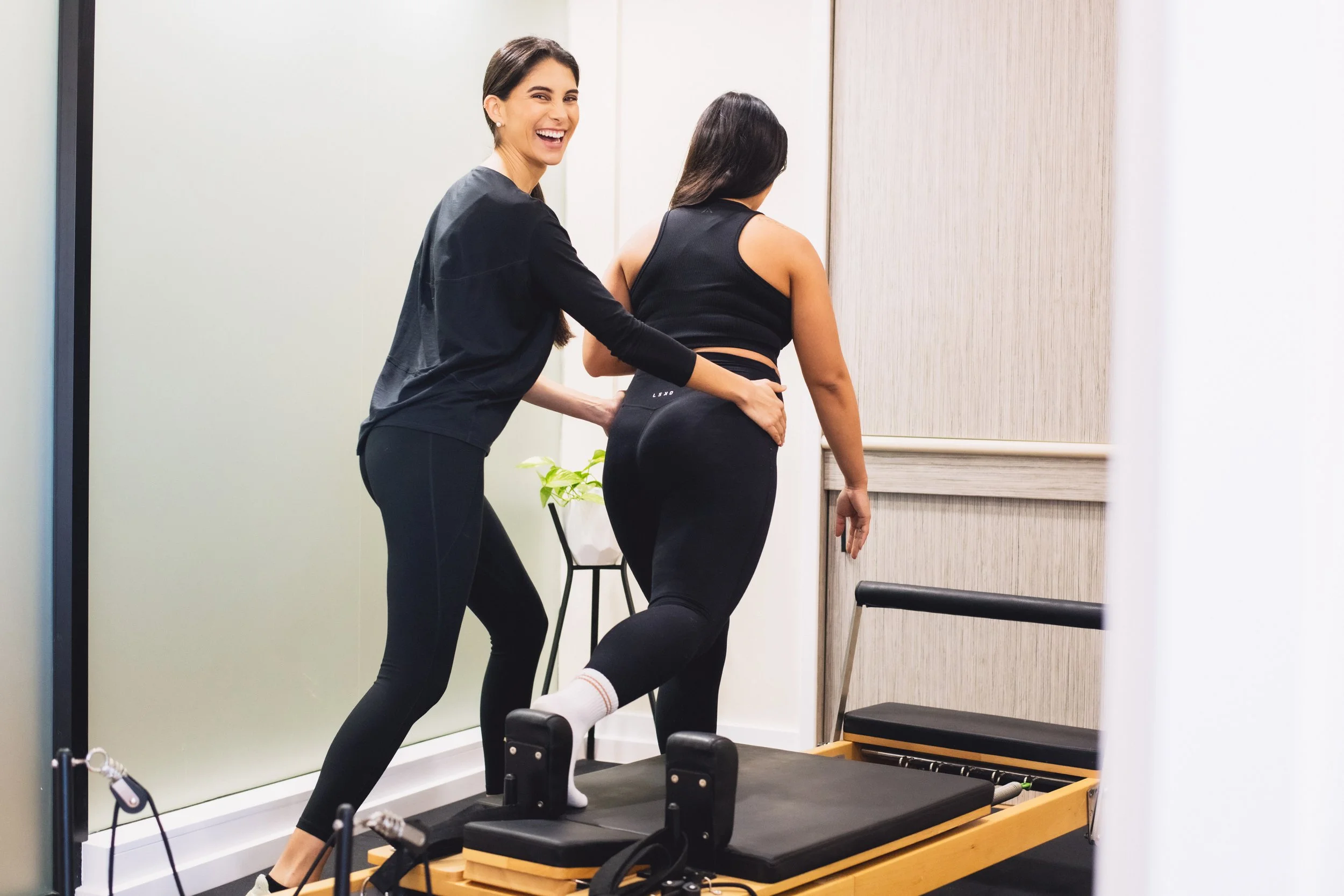
1:1 Pilates and Exercise therapy
Our team of expert physiotherapists can assist with your return to the activities and sports you love through 1:1 pilates and exercise therapy. Whether you want to ensure a seamless and safe transition back to exercise after a baby, recent surgery or injury, our team has you covered!
Appointment Types
Pregnancy
At Peak Flo Physio we treat and manage a range of pelvic floor and musculoskeletal conditions during pregnancy including:
Pelvic girdle pain
Lower back pain
Neck and thoracic pain
Rib pain
Carpal Tunnel Syndrome
Pelvic floor symptoms like incontinence, constipation and pelvic pain
This appointment type is suitable for anyone who is pregnant and has musculoskeletal or pelvic floor concerns.
For pelvic floor screening and birth preparation we recommend booking in anywhere from 13 weeks onwards. Ideally you would have 3 appointments during your pregnancy. An initial screen at 13 weeks, a follow up at 20 weeks and then a birth and labour prep appointment at 34 weeks.
This assessment may include:
A discussion about your pregnancy journey and birth preferences
Your gynaecological and obstetric history
A comprehensive history about your bladder, bowel and sexual function
A thorough medical and menstrual history
A physical examination that will assess for pelvic girdle pain and risk factors for common pregnancy related concerns.
A discussion about exercise in pregnancy, guidelines and precautions.
A discussion about your anatomy: pelvis, pelvic floor, vagina and vulva and the changes that may occur during your pregnancy.
We will screen your pelvic floor in order to prevent or diagnose early any pelvic floor dysfunction
Abdominal and prolapse education and potential management
Note: If you are wanting to have an internal pelvic floor assessment, we reccomened booking in anytime from 13 weeks onwards. It is not reccomened to perform an internal exam during your first trimester.
Postnatal
At Peak Flo Physio we reccomened every women have an appointment with a pelvic floor physiotherapist around 6 weeks post birth to see how pelvic floor and abdominals are recovering and to plan a return to exercise. We treat and manage a range of pelvic floor and musculoskeletal conditions during the postnatal period including:
Diastasis Recti (abdominal separation)
Leakage with coughing/sneezing
Vaginal heaviness
Prolapse
Lower back pain
Sexual pain
Urinary incontinence
Faecal incontinence
Mastitis
De Quervain’s
A postnatal assessment is suitable for anyone who has had a baby within the last 12 months and you don’t have to have any specific concerns or issues to see us. We love to work on prevention and seeing us when you are asymptomatic is fantastic!
This assessment may include the following:
A discussion about your pregnancy, birth and immediate postnatal recovery
Your gynaecological and obstetric history
A comprehensive bladder and bowel history
A comprehensive assessment of your sexual function and advice above returning to sex postnatally
A thorough medical and menstrual history
A physical examination that may include a abdominal separation (DRAM) assessment and musculoskeletal screen.
A Vaginal examination to assess the strength, endurance, coordination and tone of your pelvic floor. This assessment will also include a prolapse assessment. *Note: this is option and is up to each patient to decide if this is right for them.
Guidance and education about returning to exercise including a progressive exercise program based around your goals.
Education and advice about prolapse, pelvic floor muscle training, bladder and bowel habits, posture and feeding positions and breast care (if breast feeding)
Pelvic Floor
Pelvic Floor consultations can benefit people at all stages of life, with a range of conditions. This appointment type is suitable for individuals who primary concern is pelvic floor dysfunction.
This assessment may include:
Urinary incontinence
Faecal incontinence
Pelvic pain
Pain with sexual intercourse
Vaginal heaviness
Vaginal Dryness
Pelvic Organ Prolapse
Leakage with exercise
Leakage with coughing/sneezing/laughing
Pelvic Floor symptoms during menopause
Vaginismus
Endometriosis
Bladder urgency
Chronic Constipation
Post hysterectomy or other gynaecological surgery
Overactive/hypertonic pelvic floor
Pelvic floor symptoms during pregnancy
Birth and labour preparation; pelvic floor relaxation and pushing strategies
Note: if you are pregnant this exam will include a very similar history to the pregnancy assessment however it will also include a vaginal examination. This is highly recommended during your pregnancy and allows us to assess the strength, endurance and coordination of your pelvic floor. This assessment will also ensure that pelvic floor can relax, which is very important if you are aiming for a vaginal delivery.
Musculoskeletal
A musculoskeletal physiotherapy appointment is suitable for anyone who’s primary concern is to do with movement restriction, pain or acute/chronic injury. A physiotherapy assessment will involve a detailed history of your presenting concern including mechanism of injury, activity levels, current restrictions and your goals. Based on this we will then complete a physical examination will which look at range of motion, strength, coordination and mobility. We will provide education about treatment options, why it may have occurred and how to prevent, pain, dysfunction and injury in the future. You will leave with a treatment plan, individualised return to exercise program and likely some rehabilitation exercises to complete at home or at the gym.
We treat and manage a range of musculoskeletal conditions including:
Acute injuries like ACL ruptures, ankle sprains and rotator cuff injuries
Muscle sprains and strains
Neck and back pain
Pelvic and SIJ dysfunction
Sciatica
Knee/ankle/hip/shoulder pain
Post-surgical rehabilitation including joint replacements, ACL repairs, ankle surgery and abdominal or back surgery.
Chronic pain
Whiplash
Other Appointment Types
Pessary Fitting
This is suitable for anyone who has already had an initial pelvic floor consult and has been reccomened to have a pessary fit. This will involve your physiotherapist taking measurements of the vaginal canal and selecting the appropriate size pessary for your needs. They will then ensure it is comfortable and retained for things such as exercise, coughing and going to the toilet. They will then train you how to insert and remove it yourself as well as how to look after it long term. To book a Pessary fitting please contact us on 0421170699 or book an initial pelvic floor consult here.
1:1 Clinical Exercise
Clinical Exercise (45 minutes)
This is suitable for anyone who needs some guidance about exercise choices, progression or safe exercise options. Things people use clinical exercise appointments for include:
Pelvic floor safe exercise sessions
Returning to exercise postnatally
Pelvic girdle pain friendly exercise
Rehabilitation post injury
Note: these sessions can either be completed via Telehealth, at your home or at your chosen gym, park, beach etc. or in the clinic using our reformers, weights and other equipment. Discuss this with your physiotherapist when you book in your appointment. You also must have completed any one of the initial consultations prior to engaging in 1:1 exercise.